
Exploring the Fascinating World of Foreign Coin Values
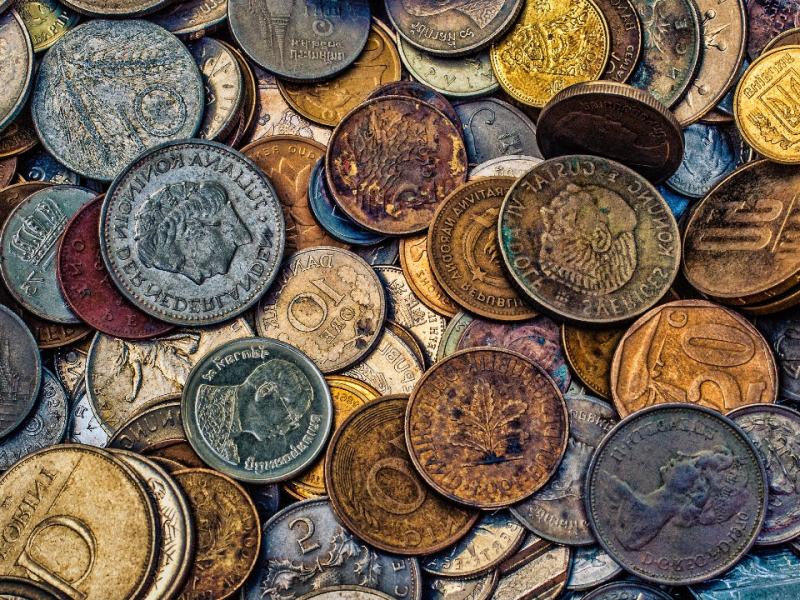
In today's digital age, where cryptocurrencies dominate the headlines, it's easy to forget the enduring allure of physical coins. Coins have been used as a form of currency for centuries, each with its own unique history and value. If you're a coin enthusiast or simply curious about the world of numismatics, CoinsTrail is your ultimate guide. This comprehensive platform offers a wealth of information on foreign coin values, allowing you to delve into the fascinating world of numismatics.
Within the vast realm of CoinsTrail, one can find a plethora of resources that cater to both seasoned collectors and beginners. From ancient coins to modern-day treasures, CoinsTrail covers it all. With its user-friendly interface and extensive database, you can easily navigate through the website to discover the value of various coins from around the world.
The first half of this article will focus on the significance of foreign coin values. To delve deeper into this topic, let's explore the meaning behind foreign coins and how their values are determined. Foreign coins, as the name suggests, are coins that originate from countries other than your own. These coins can hold historical, cultural, and monetary value, making them highly sought after by collectors and enthusiasts.
To further enhance your understanding, we have provided a link within the article to the CoinsTrail website. By clicking on the link, you will be directed to a page specifically dedicated to foreign coin values. This resource will provide you with detailed information on the value of foreign coins, including historical context, rarity, and current market trends. Whether you're interested in European, Asian, or African coins, CoinsTrail has you covered.
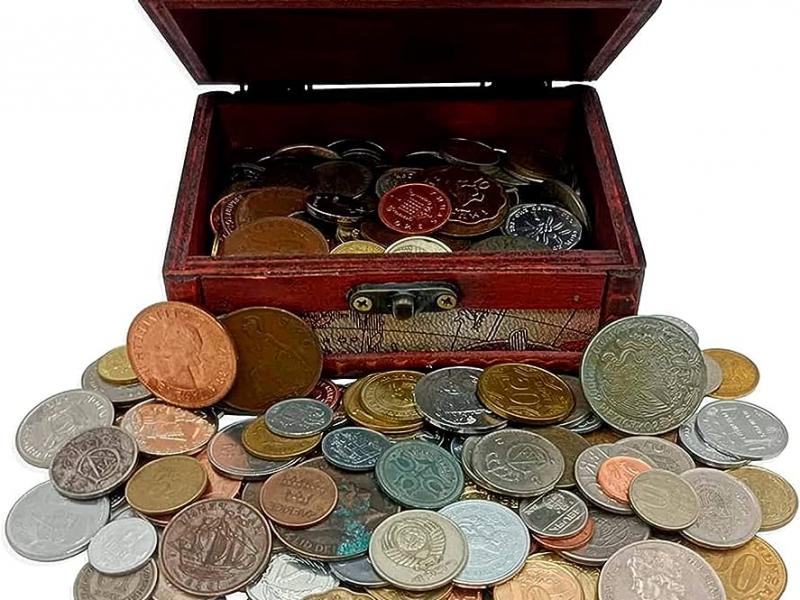
Now, let's delve into the captivating world of foreign coin values. Within this vast realm, we can identify several subheadings that will guide us through the intricacies of this fascinating topic.
Historical Significance and Rarity
Foreign coins often carry a rich historical significance, reflecting the culture, traditions, and events of the country they originate from. The rarity of these coins plays a crucial role in determining their value. CoinsTrail provides comprehensive information on the historical background of various foreign coins, shedding light on their significance and rarity.
Factors Influencing Foreign Coin Values
Numerous factors contribute to the value of foreign coins. These factors include the metal composition, condition, age, minting errors, and overall demand in the market. CoinsTrail offers valuable insights into these factors, allowing collectors and enthusiasts to make informed decisions when buying, selling, or trading foreign coins.
Investing in Foreign Coins
Foreign coins can be a lucrative investment opportunity for those with a keen eye for numismatics. CoinsTrail provides guidance on investing in foreign coins, including tips on identifying undervalued coins, understanding market trends, and building a diverse coin portfolio. With the right knowledge and guidance, investing in foreign coins can be a rewarding endeavor.
In conclusion, CoinsTrail is a treasure trove for coin enthusiasts, offering a comprehensive platform to explore the captivating world of foreign coin values. By providing detailed information, historical context, and market insights, CoinsTrail empowers collectors and enthusiasts to delve deeper into the world of numismatics. Whether you're a seasoned collector or a beginner, CoinsTrail is your ultimate guide to discovering the value and significance of foreign coins. Start your numismatic journey today and unlock the hidden treasures of the coin world with CoinsTrail.

 Site Related News
- Academics shun engagement with business - Times Higher Education (THE)
- Erdoğan accuses academics of being fifth column - Today's Zaman
- Pro-government media calls academics 'supporters of terrorists' over declaration - Today's Zaman
- Academics demand restoration of peace in Southeast - Today's Zaman
- Weakening Tenure May Invigorate Academia - Hartford Courant

Follow Us!